AI Product Architecture
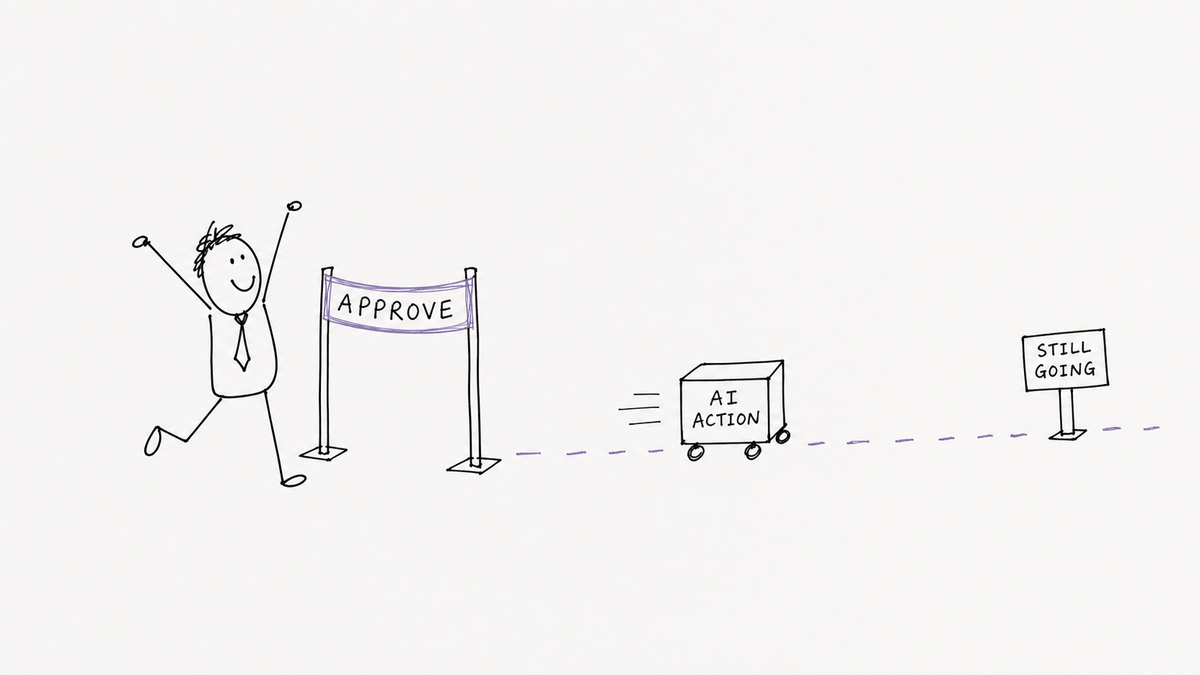
The Decision Is Not Finished When Someone Clicks Approve
A responsible AI flow continues through execution, verification, recovery, contestability and learning. Approval is a transition, not the finish line.
Writing
Long-form thinking on AI product development, leadership, and the craft of building things that matter.
A responsible AI flow continues through execution, verification, recovery, contestability and learning. Approval is a transition, not the finish line.
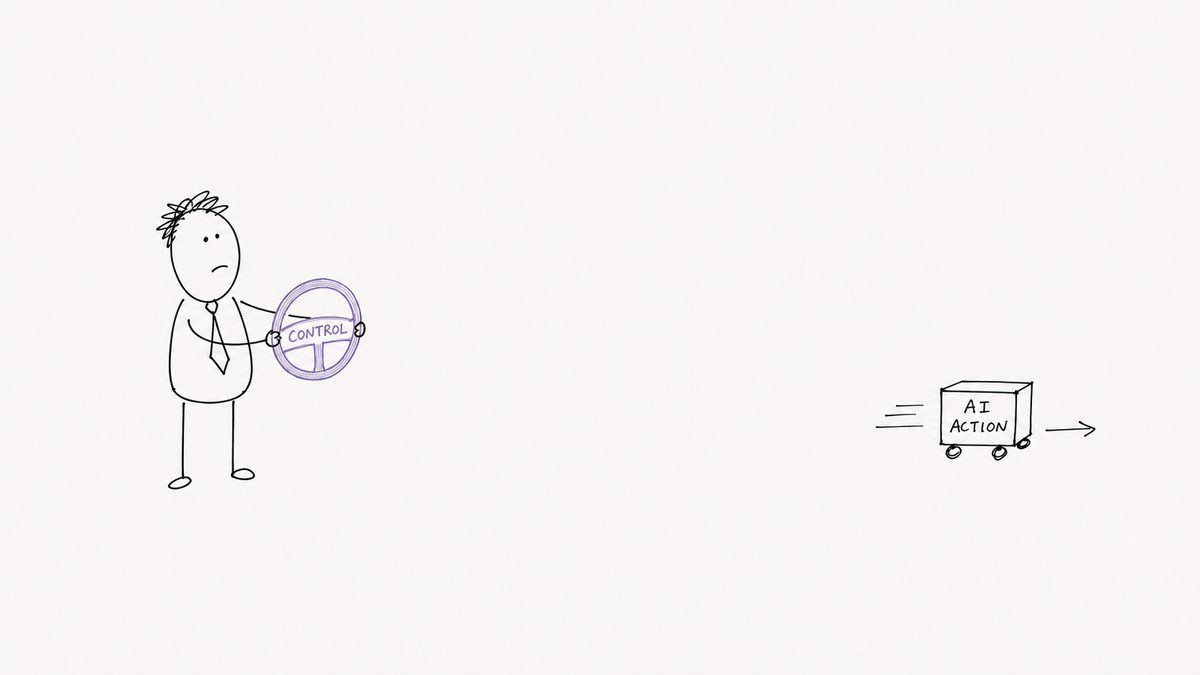
Meaningful human oversight requires more than a reviewer and an Approve button. The person needs evidence, authority, time and real ways to change what happens next.
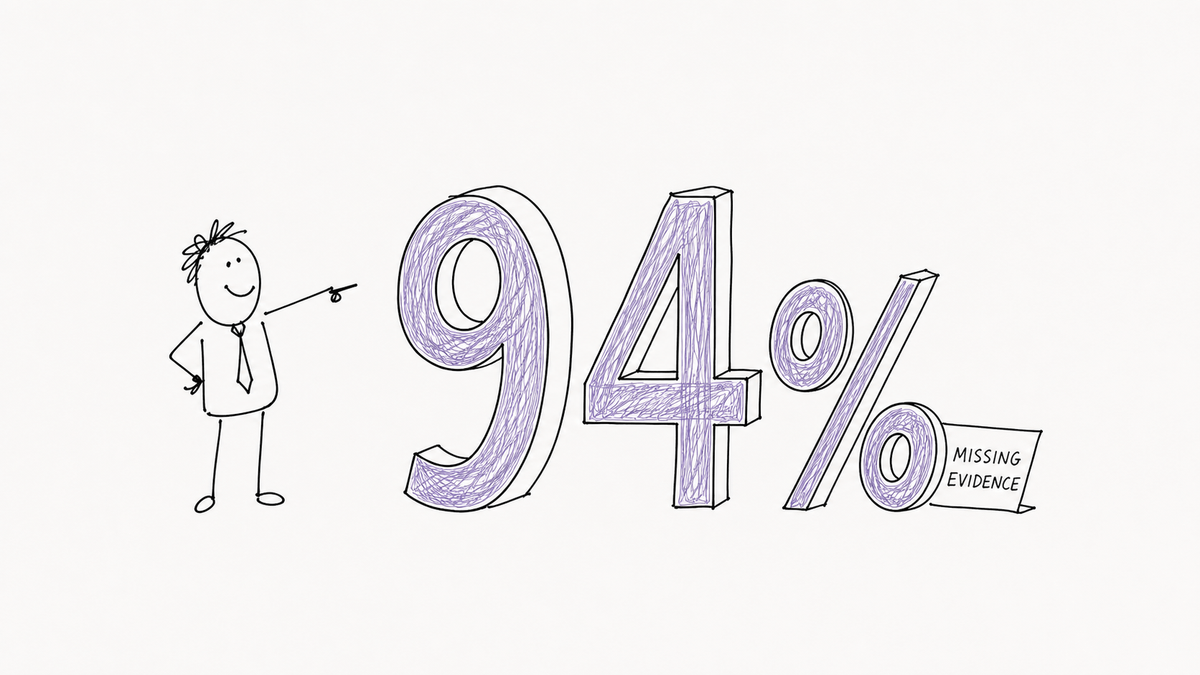
Good AI decision UX helps a person verify the proposal: what supports it, what contradicts it, what is missing and what happens if it is wrong.
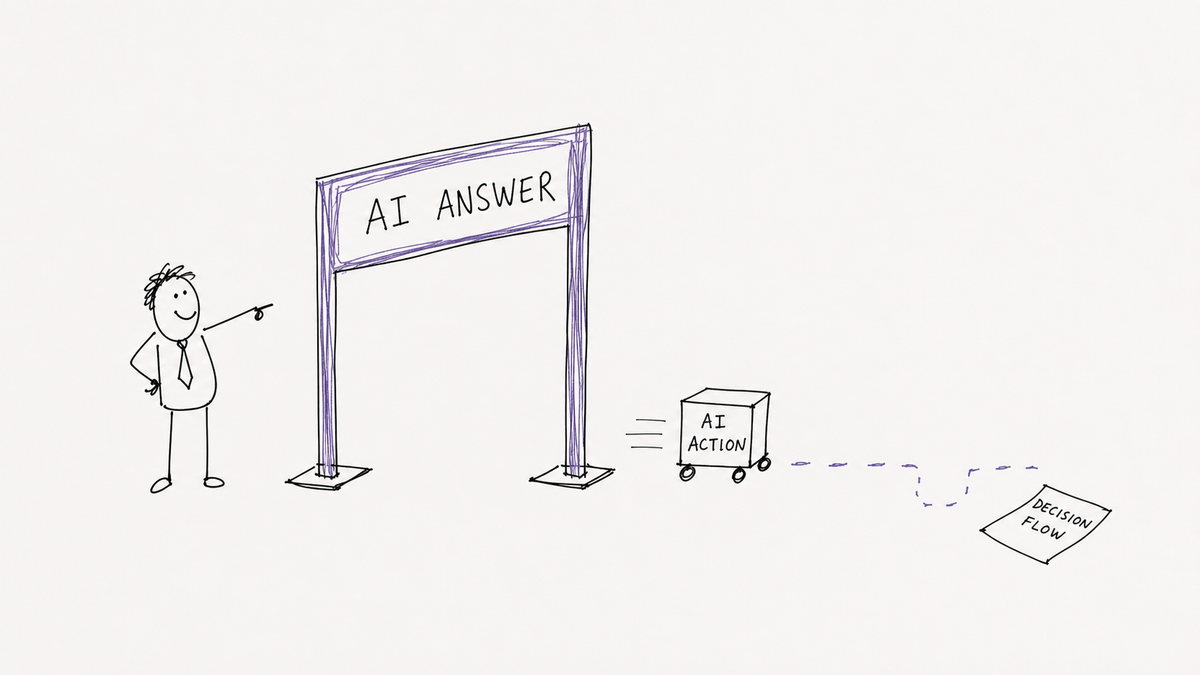
A useful AI product does more than produce an answer. It helps evidence, judgement, authority, action and accountability move safely through one decision.
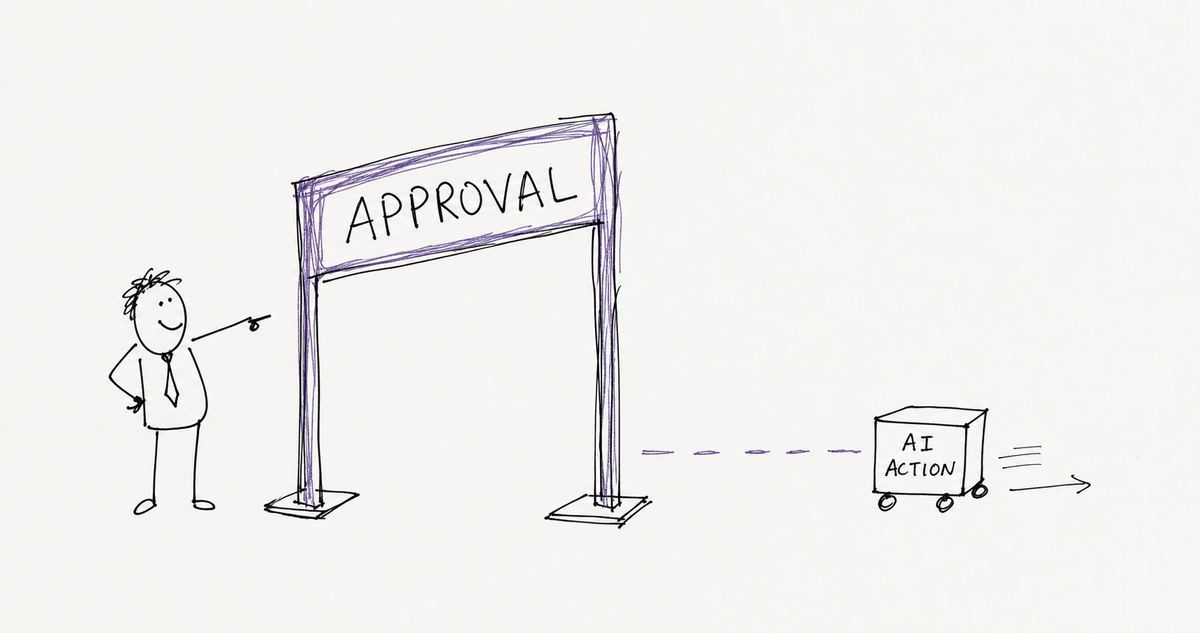
A human approval gate can work perfectly while the surrounding AI system remains unaccountable. The real design challenge is the chain of capabilities around the decision.
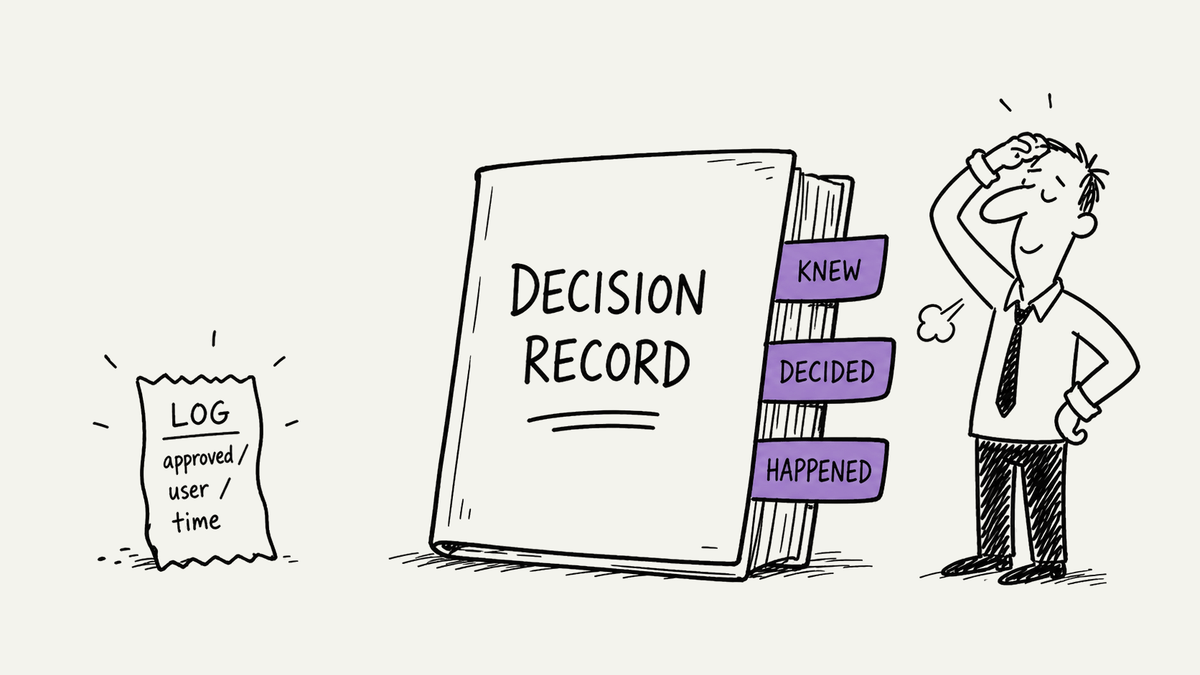
Most human-in-the-loop AI systems produce logs, not decision records. A log tells you a button was clicked. A real record tells you what the human knew, decided and what happened.
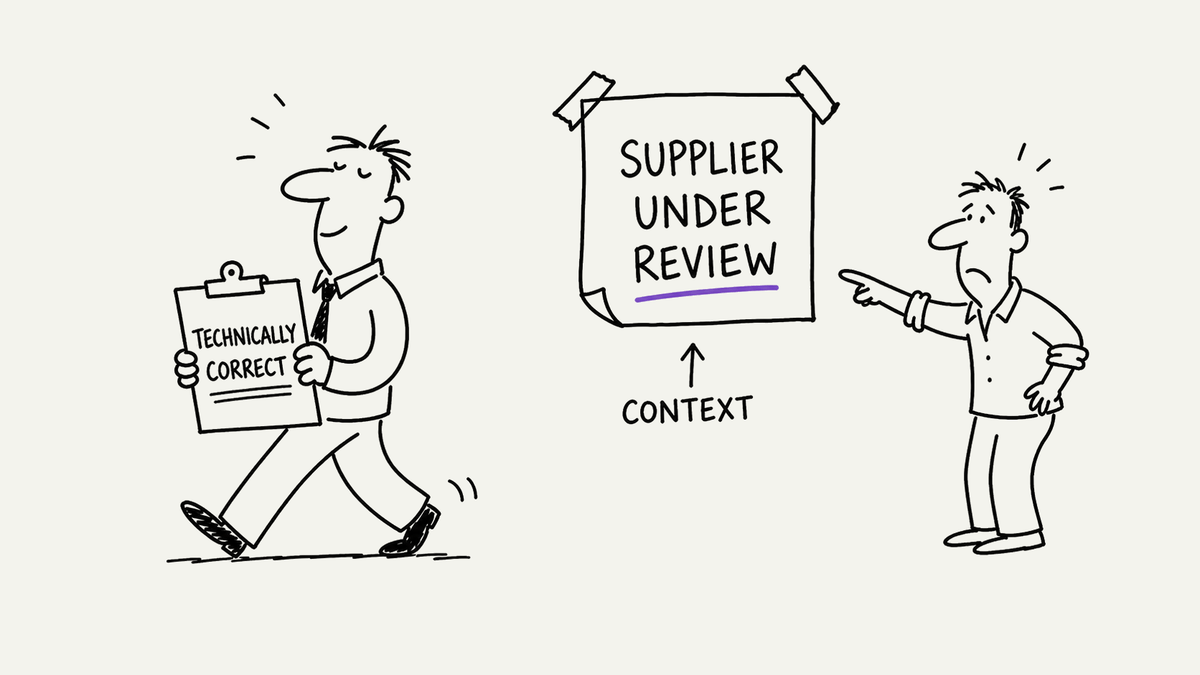
AI agents can make technically valid recommendations that are still wrong because they lack business context. More data does not solve it. Better context does.
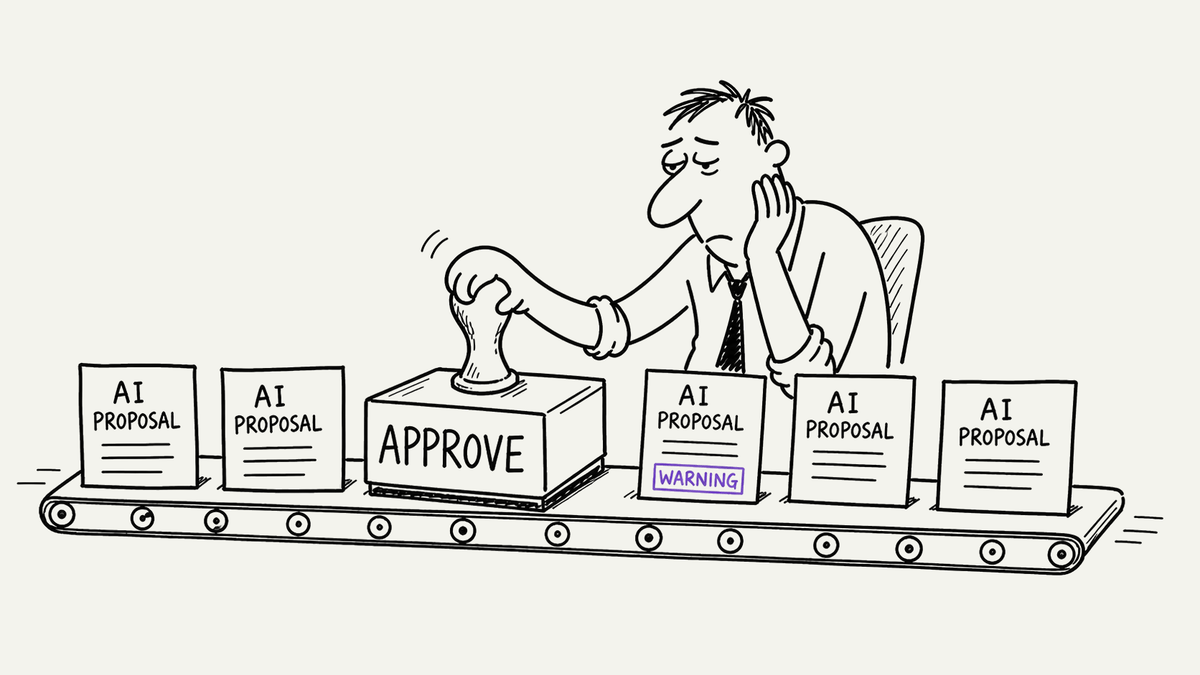
Human-in-the-loop AI does not automatically create meaningful oversight. If the interface quietly turns review into queue-clearing, what you have is approval theatre.
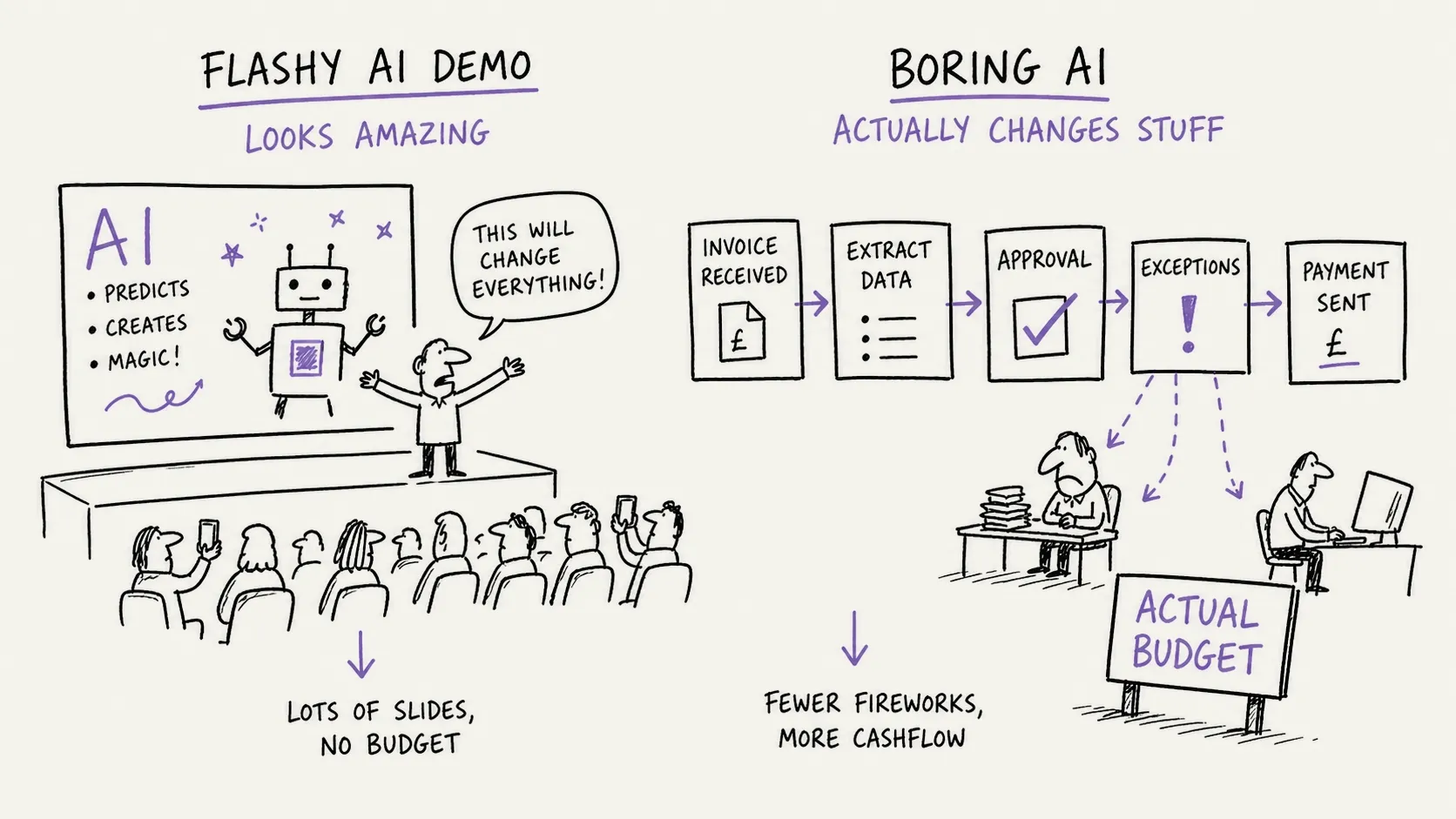
The serious money in AI isn't hiding in the shiniest product. It's sitting in the invoice queue nobody owns, the compliance check that still depends on someone reading three documents, and the procurement exception that delays a supplier payment.
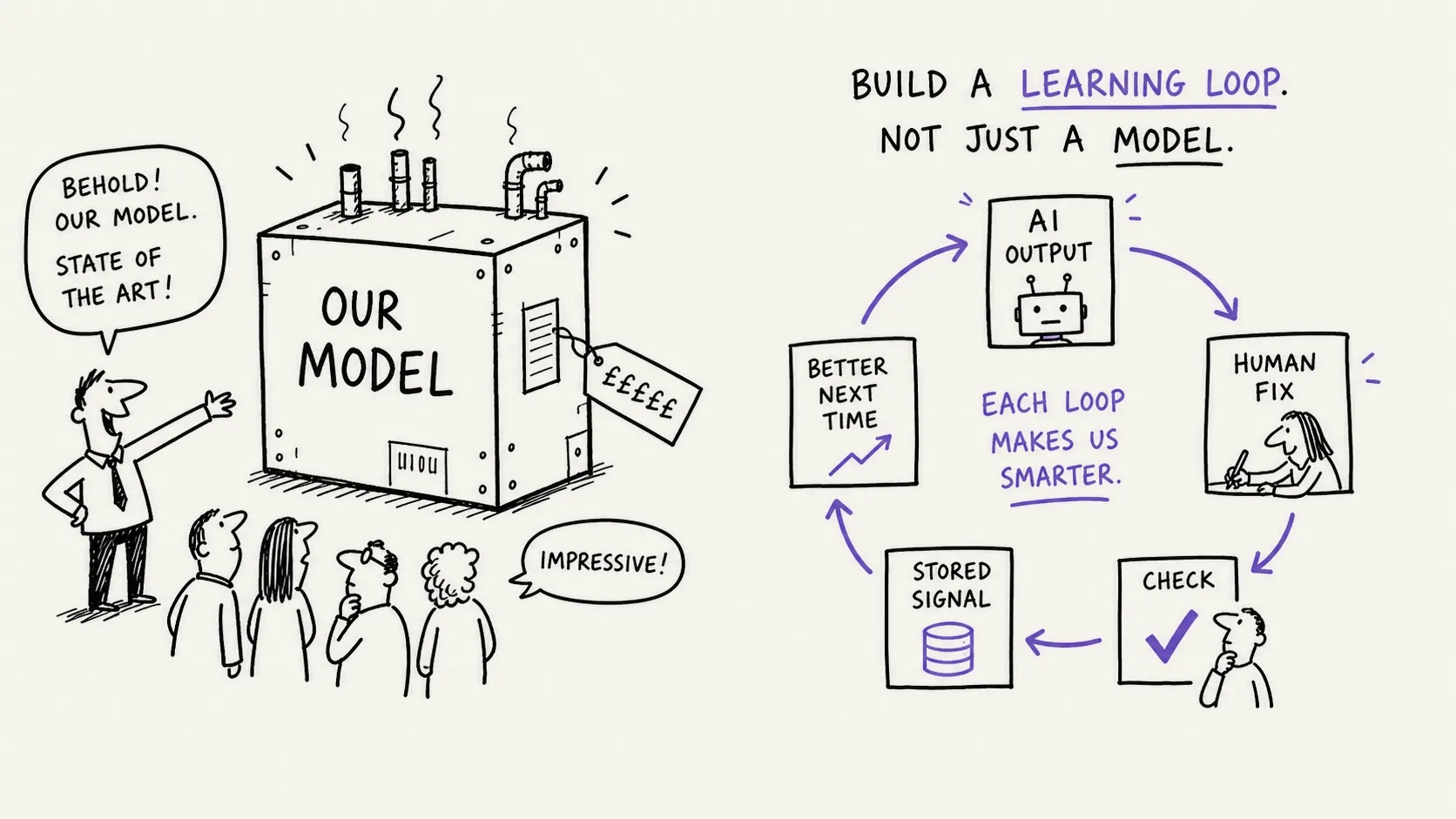
The question is not 'should we train our own model?' The better question is: what will our product learn that nobody else can see?